# Can Pregnant Women Safely Drink Green Tea? Safety Guidelines
Pregnancy has a way of turning every daily habit into a question. Coffee, sushi, soft cheese — and, yes, Green Tea. It's one of the most common questions tea drinkers ask once they see two lines on a test: is it safe to keep drinking it, or does it need to go the way of the wine rack for the next nine months?
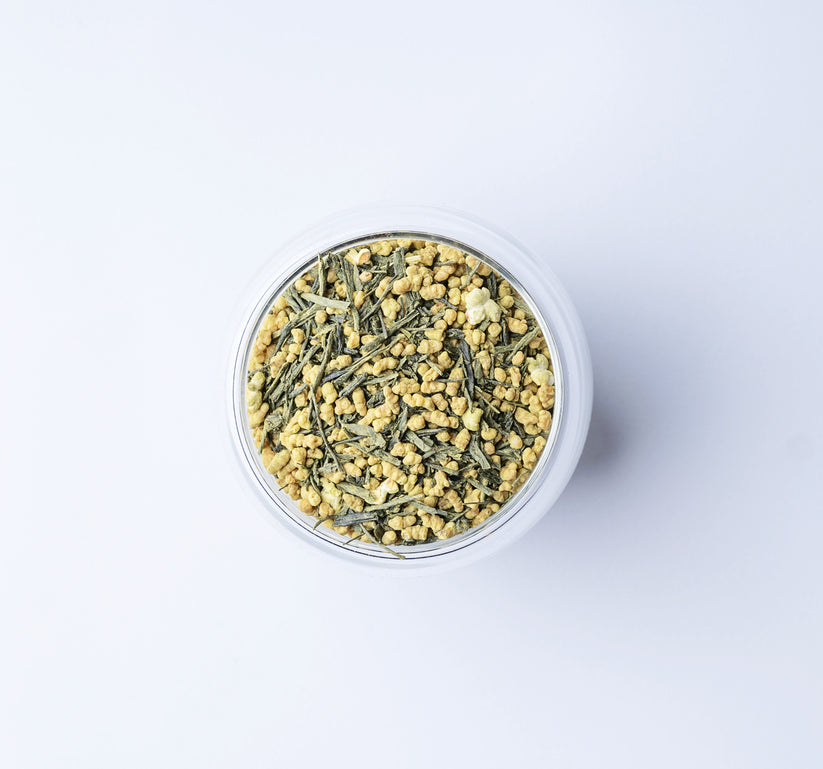
The short answer is: yes, **[Green Tea](https://mypekoe.com/collections/green-tea)** can generally be part of a healthy pregnancy — but with real limits, and a few details worth understanding rather than guessing at.
## The Main Concern: Caffeine, Not the Tea Itself
Green Tea isn't dangerous in pregnancy the way alcohol or raw fish can be. The actual concern is caffeine, and Green Tea happens to contain it — just in smaller amounts than coffee. A typical cup has roughly 25–45mg of caffeine, compared to 80–100mg or more in a standard cup of coffee.
Most obstetric guidelines, including those referenced by health bodies like ACOG (the American College of Obstetricians and Gynecologists), suggest keeping total caffeine intake under **200mg per day** during pregnancy. That's not a Green Tea-specific rule — it applies across coffee, tea, chocolate, and any caffeinated drink combined. So the real question isn't "is Green Tea safe," it's "how much total caffeine am I having across everything I drink and eat in a day."
Under that 200mg ceiling, most pregnant women can comfortably enjoy **2–3 cups of Green Tea a day**, especially if it's the only caffeine source in their routine.
## Why Green Tea Is Often the Gentler Choice
This is where Green Tea vs Coffee comes back into the picture, even during pregnancy. Because Green Tea delivers less caffeine per cup and releases it more gradually (thanks to the L-theanine it naturally contains), it tends to be easier on a pregnant body than an equivalent cup of coffee. Less acidity also means less aggravation for the heartburn and nausea that already come standard with pregnancy for a lot of women.
That said, "gentler" doesn't mean unlimited. Green Tea is still a genuine caffeine source, and pregnancy is exactly the time to stop treating caffeine casually.
## The One Real Caution: Folate Absorption
There's a second, less talked-about consideration: Green Tea contains natural compounds called catechins, which in high volumes may modestly interfere with the body's absorption of folate — a nutrient that's critical in the first trimester for a baby's neural tube development.
This isn't a reason to avoid Green Tea altogether. It's a reason to:
- Keep intake moderate (2–3 cups, not 6–7).
- Avoid drinking Green Tea at the exact same time as a prenatal vitamin — leave a gap of an hour or so.
- Make sure folate intake is otherwise well covered through diet and supplementation, which most prenatal vitamins already account for.
## Guidelines Worth Following
If you're pregnant and want to keep Green Tea in your routine, here's a practical framework:
1. **Track total caffeine, not just tea.** Add up coffee, tea, chocolate, and soft drinks — stay under 200mg/day combined.
2. **Stick to 2–3 cups of Green Tea daily**, assuming it's your main or only caffeine source.
3. **Space it apart from prenatal vitamins** to protect folate absorption.
4. **Choose quality over quantity.** A well-sourced, fresh Organic tea gives you the antioxidant benefits (like EGCG) without needing to drink more to enjoy it.
5. **Avoid Green Tea extracts or supplements** during pregnancy — these are far more concentrated than a brewed cup and haven't been established as safe in pregnancy.
6. **Always check with your OB-GYN**, especially if you have a high-risk pregnancy, existing iron-deficiency anemia, or other conditions where caffeine or catechins may matter more.
## Why Sourcing Matters Even More During Pregnancy
Pregnancy tends to make people far more careful about what goes into their body — understandably so. This is a good moment to pay attention not just to how much tea you're drinking, but what's actually in the cup. Cheap, mass-processed tea bags are often bulked with dust-grade leaf and, in some cases, questionable pesticide residue from non-organic farming — not exactly what you want to be consistently consuming for nine months.
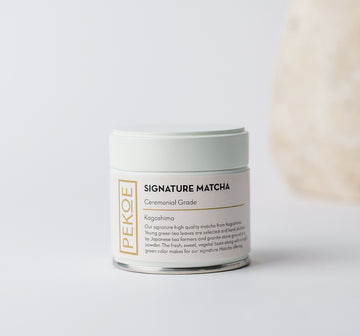
This is where brands built around traceable, Organic tea sourcing become genuinely useful rather than just a nice-to-have. [Pekoe](https://mypekoe.com/), for instance, sources its Green Tea directly from tea-growing regions in Japan, China, and India, with an emphasis on freshness and clean cultivation rather than bulk commercial processing. For anyone comparing Best tea brands during pregnancy, this kind of transparency — knowing where the leaf comes from and how it was grown — matters more than usual, since you're no longer just drinking for yourself.
Pekoe also carries **[white tea](https://mypekoe.com/collections/white-tea)**, which contains even less caffeine than Green Tea and can be a nice lower-intensity option on days when you want the ritual of a warm cup without adding much to your daily caffeine count at all.
## The Bottom Line
Green Tea, in moderate amounts, is generally considered safe during pregnancy — the key word being *moderate*. Keep it to 2–3 cups a day as part of a total caffeine intake under 200mg, space it away from your prenatal vitamin, and choose well-sourced, fresh Healthy tea over cheap, mass-produced options. And as always, run your specific routine past your doctor or midwife, since individual pregnancies can carry different considerations that a general guideline can't account for.
For more information
TikTok: **[mypekoe](https://www.tiktok.com/@mypekoe)**
Instagram: **[mypekoe](https://www.instagram.com/mypekoe/)**
Facebook: **[mypekoe](https://www.facebook.com/mypekoe/[](https://))**